How to Choose the Right Medical Device Manufacturing Partner
June 2026
Bringing a medical device from concept to market requires careful planning, technical expertise, and the right partners. While developing an innovative product is a major achievement, choosing the right medical device manufacturer is equally important to ensuring long-term success.
For OEMs (original equipment manufacturer), outsourcing production to a contract medical device manufacturer can provide access to specialist expertise, regulatory knowledge, and scalable manufacturing capabilities that might not be feasible in-house. However, not all manufacturers are created equal, and choosing the wrong partner can lead to quality issues, supply chain challenges and costly delays.
So, what should you look for when evaluating a medical device manufacturing partner?
Regulatory Compliance Comes First
The medical device industry is heavily regulated, making compliance non-negotiable. Any manufacturer you consider should hold ISO-13485 certification and have a robust Quality Management System (QMS) in place.
It’s also important to understand their experience with the regulations relevant to your target markets, whether that’s the EU Medical Device Regulation (MDR), FDA requirements, or other international standards.
A strong manufacturing partner should be able to demonstrate a history of successful audits, validated processes, and well-established quality controls.
Look for Relevant Industry Experience
Experience matters, particularly when it comes to medical devices.
A manufacturer that specialises in drug delivery devices, for example, may not be the right fit for a complex diagnostic product. When evaluating potential medical device manufacturing partners, look for evidence that they have worked on products similar to yours in terms of technology, complexity, and regulatory classification.
Don’t be afraid to ask for case studies or examples of previous projects. A proven track record can provide valuable reassurance that your product is in capable hands.
Assess Their Manufacturing Capabilities
Every medical device has unique manufacturing requirements. Before entering a partnership, ensure the manufacturer has the capabilities needed to support your product throughout its lifecycle.
This could include:
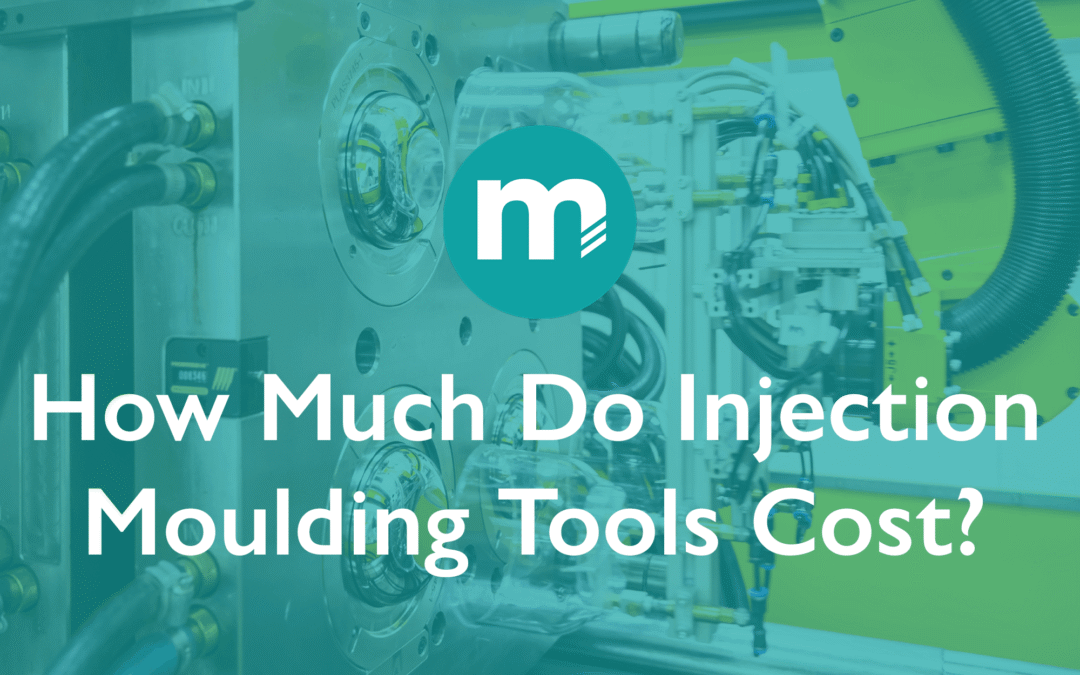
- Injection moulding
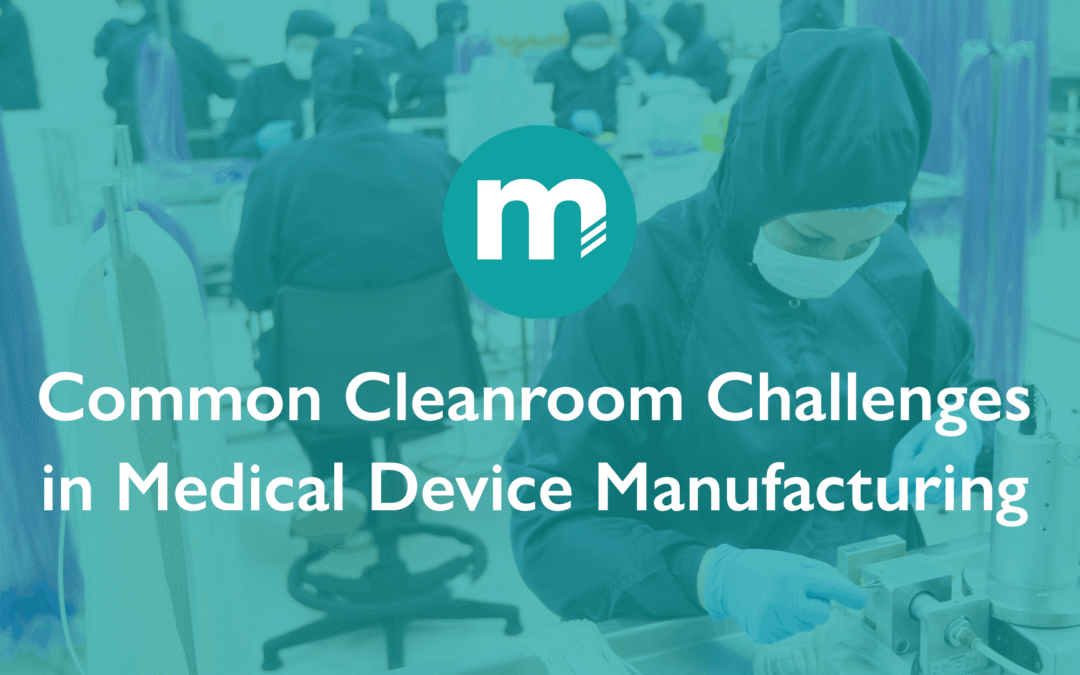
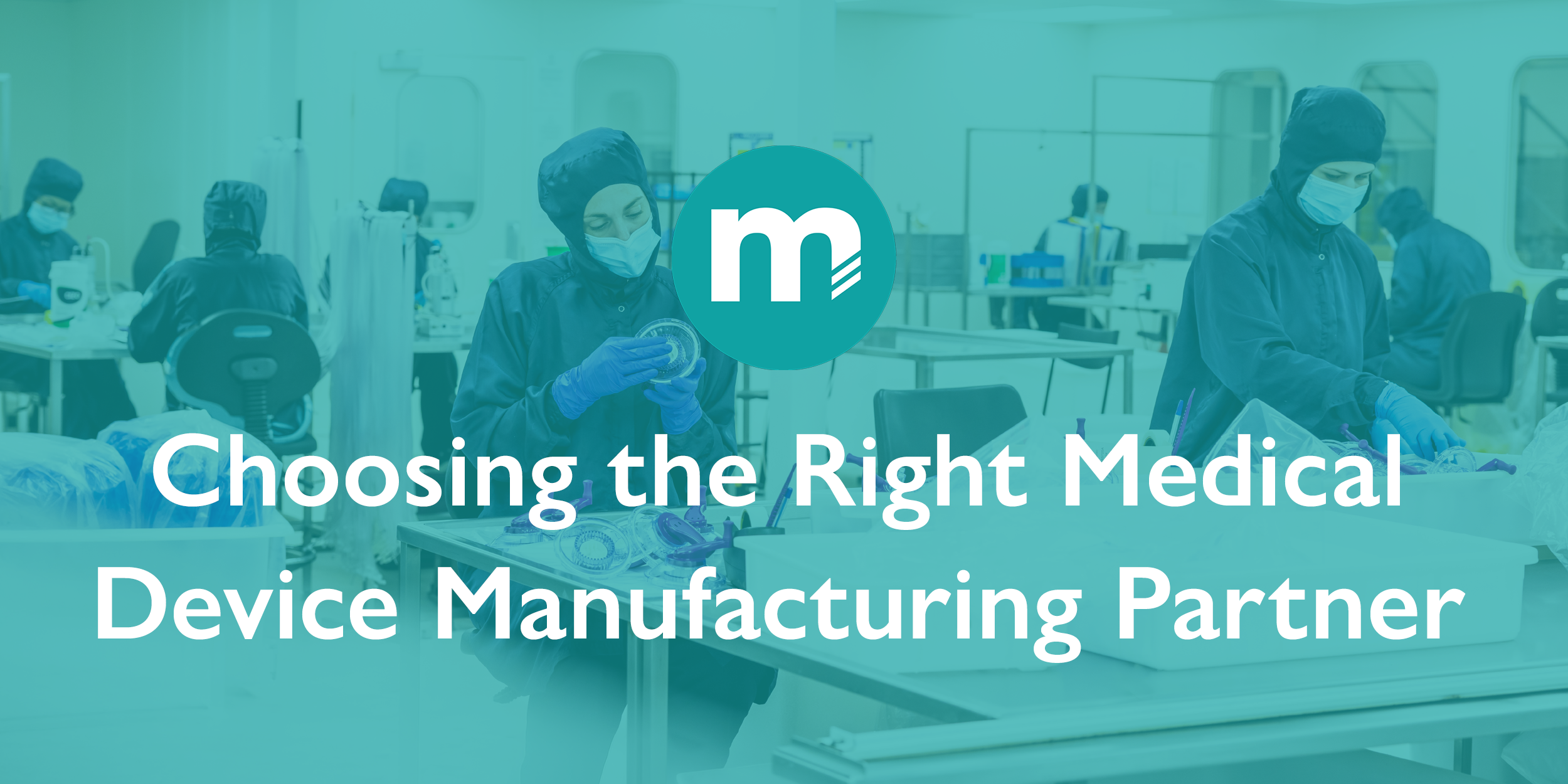
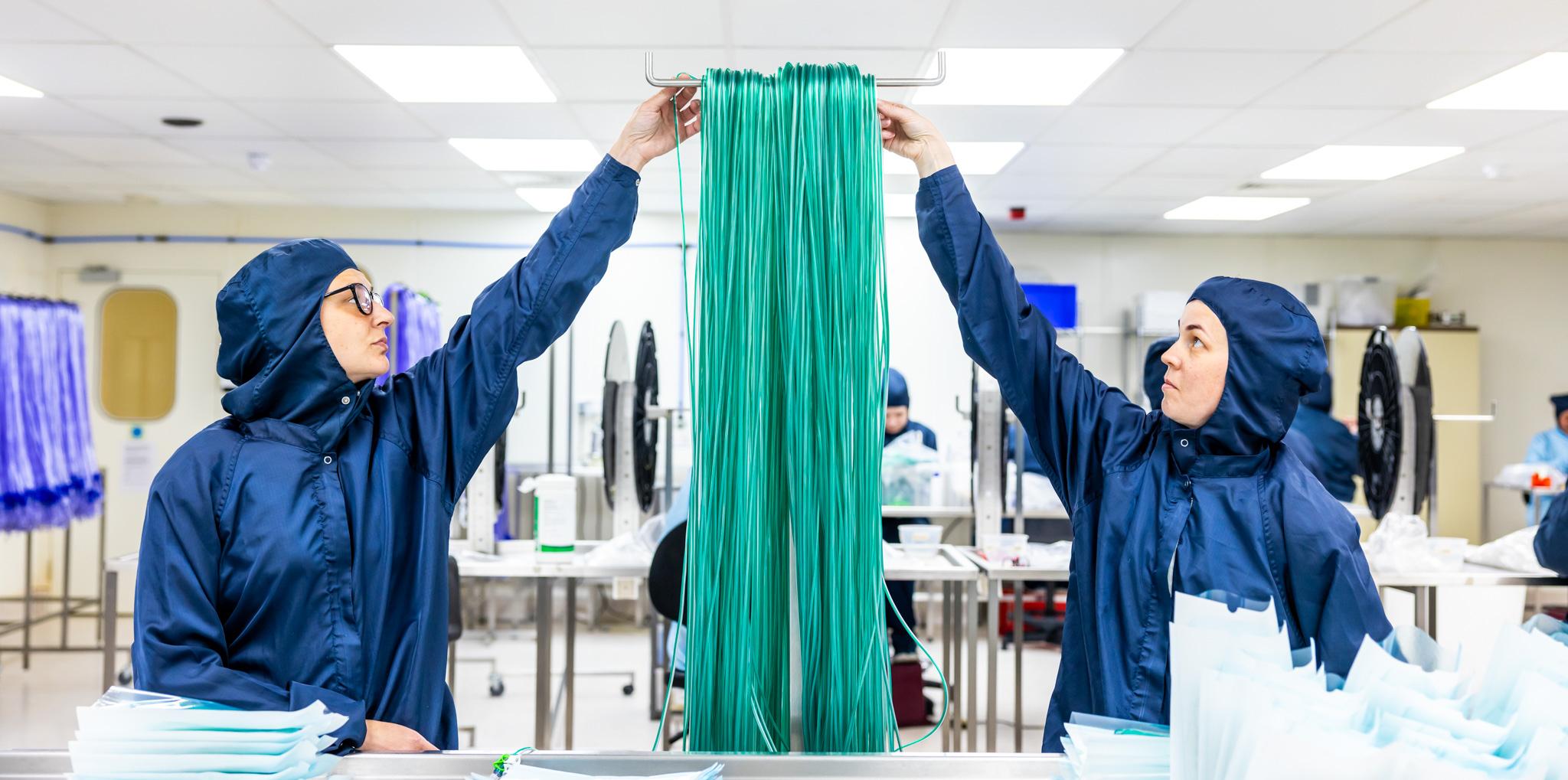
- Cleanroom assembly
- Packaging and labelling
- Supply chain management
- Product testing and inspection
- Sterilisation support
Manufacturers that offer a wide range of in-house services can often provide greater control, shorter lead times, and reduced supply chain complexity.
Consider Their Design Transfer Expertise
A successful medical device design doesn’t automatically translate into a successful manufacturing process.
The transition from design to production requires careful planning, documentation, and validation. An experienced manufacturer should be able to support Design for Manufacture (DFM) activities, process development, pilot builds, and production validation.
The earlier manufacturing expertise is introduced into the process, the easier it becomes to identify potential risks, reduce costs and improve manufacturability.
Evaluate Quality and Traceability Systems
Quality should be embedded throughout every stage of production.
Look for manufacturers with well-defined processes for validation, risk management, corrective actions, and change control. Equally important is the ability to provide full traceability throughout the supply chain and manufacturing process.
Comprehensive traceability helps ensure compliance, simplifies investigations, and provides confidence that every product can be tracked back to its source materials and manufacturing records.
Ensure They Can Scale with You
The manufacturing partner that’s right for your initial launch should also be capable of supporting future growth.
Ask questions about production capacity, available cleanroom space, staffing levels, and expansion plans. Understanding their ability to increase output as demand for your medical device grows can help prevent capacity constraints further down the line.
Choosing a manufacturer with scalability in mind can save time, cost, and disruption when upscaling production in the future.
Don’t Overlook Communication
Technical capability is essential, but so is communication.
The strongest manufacturing partnerships are built on transparency, responsiveness, and collaboration. You should feel confident that your manufacturing partner will keep you informed, proactively address challenges, and work alongside you to achieve project goals.
A dedicated project management team and clear communication processes can make a significant difference to the success of your production.
Visit the Facility
Finally, whenever possible, visit the manufacturing facility in person.
A site visit provides valuable insight into a company’s culture, cleanliness, organisation, and quality standards. It’s an opportunity to meet the team, understand their processes, and assess whether they are the right fit for your business.
Often, the best indicator of a successful partnership isn’t found in a brochure or presentation, it’s found within positive communication and connection.
Finding the Right Partner
Selecting a medical device manufacturing partner is about more than comparing costs. It’s about finding a company that can support your product, meet your quality requirements, and support your long-term growth ambitions.
A thorough supplier evaluation process should include quality audits, capability assessments, regulatory reviews, and discussions around future scalability. Taking the time to assess potential manufacturing partners carefully can significantly reduce risk and improve the likelihood of a successful product launch.
At Meridian Medical, we’ve spent over 35 years supporting OEMs with medical device manufacturing solutions, combining regulatory expertise, ISO 13485-certified quality systems, cleanroom manufacturing, and in-house capabilities to help bring innovative products to market.
Whether you’re preparing for a product launch or looking to transfer an existing device, choosing the right manufacturing partner is one of the most important decisions you’ll make, and one that can have a lasting impact on the success of your product.
Speak to a UK Medical Device Contract Manufacturing Expert
If you’re exploring medical device contract manufacturing for your next project, our team can help you evaluate the right production strategy.
Contact us today to discuss how Meridian Medical can support your next medical device project. Get in touch by filling out our online form or contacting us at 01903 732344 or info@meridian-medical.com.
Frequently Asked Questions
How much does it cost to manufacture a medical device?
It depends on factors such as product complexity, materials, production volume, assembly requirements and regulatory obligations. While simple disposable devices may have relatively low unit costs, more complex devices often require specialist manufacturing processes, testing and validation that increase production costs.
Our article on the key factors influencing medical device manufacturing costs explores the various elements that can impact the overall cost of bringing a medical device to market.
What is the difference between a medical device OEM and a contract manufacturer?
A medical device OEM (Original Equipment Manufacturer) is typically responsible for the design, development and ownership of the product. A contract manufacturer produces the device on behalf of the OEM, following approved specifications and quality requirements, but is not the legal owner of the medical device.
How long does it take to transfer a medical device to a new manufacturer?
The timeline for a manufacturing transfer varies depending on the complexity of the device, regulatory requirements and the amount of process validation required. A transfer can take anywhere from a few months to over a year, particularly if tooling, validation or regulatory submissions are involved.
Can medical device manufacturers help reduce production costs?
Yes. Experienced manufacturers can often identify opportunities to improve efficiency through design for manufacture, automation, material selection and process optimisation. Cost reduction should always be balanced against quality, regulatory compliance and product performance requirements.
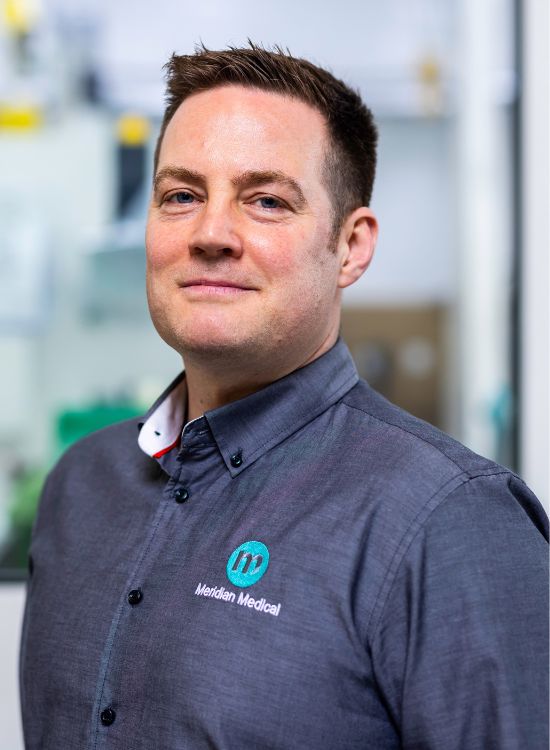
Author: James Fenton, Managing Director
James Fenton, Managing Director of Meridian Medical since 2017, has over 20 years of industry experience. He has been pivotal in developing and producing over 500 types of single-use medical devices, including CE-marked class 2 and 3 devices. With a strong focus on business strategy, project management and customer support, James ensures Meridian Medical’s agility and innovation. His expertise is backed by qualifications in Business Studies and Medical Process and Equipment Validation, plus extensive industry training. James’s insights into the industry that he has dedicated his entire career to provide a bank of invaluable information aimed at increasing knowledge of and driving advancements in medical device manufacturing.