
Medical device packaging and labelling play a critical role in patient safety, regulatory compliance, and supply chain integrity. For manufacturers operating under ISO 13485, packaging is not simply a final step – it is a controlled process that must be validated, documented, and fully traceable.
This guide explains what ISO 13485-compliant medical device packaging and labelling involves, why it matters, and how medical device manufacturing partners like Meridian Medical support procurement, engineering, and quality teams throughout the product lifecycle.
Why ISO 13485 Matters for Packaging & Labelling
ISO 13485 requires manufacturers to control all processes that affect product conformity – including packaging and labelling. Poorly controlled packaging can introduce contamination risk, compromise sterilisation, or result in incorrect labelling, all of which may lead to regulatory non-compliance or product recalls.
Under ISO 13485, packaging and labelling must support:
- Product protection and cleanliness
- Correct device identification
- Batch, lot, and serial traceability
- Compatibility with sterilisation and storage
- Documented and auditable processes
For procurement teams, this means supplier selection must go beyond cost and capacity – quality system alignment is essential.
What Is ISO 13485-Compliant Medical Device Packaging?
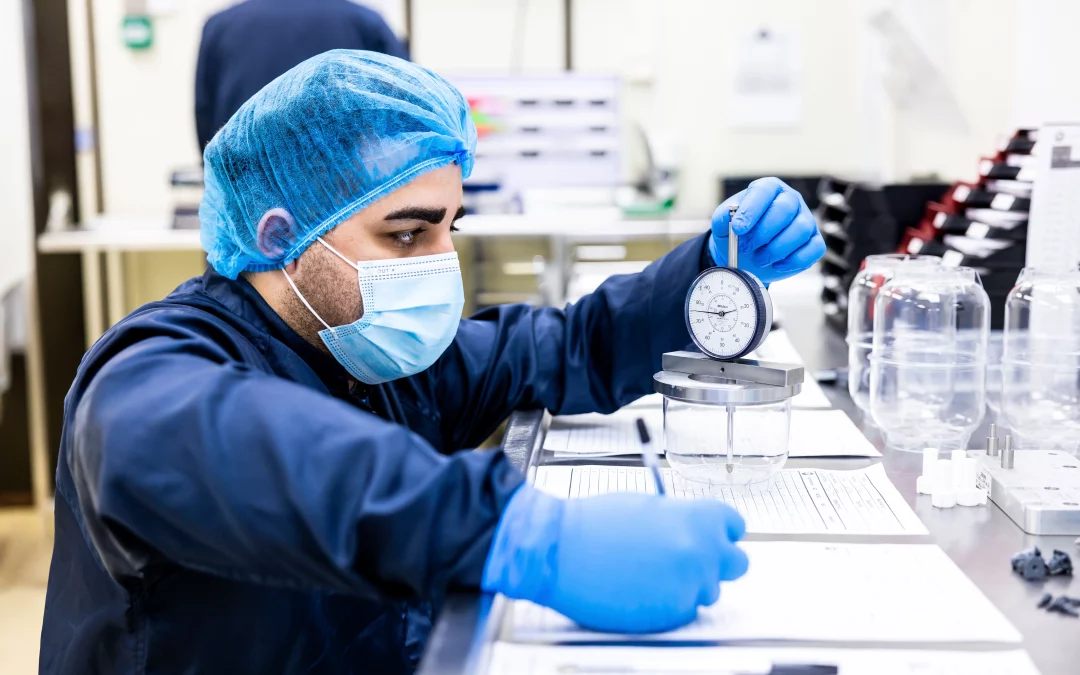
ISO 13485-compliant medical device packaging refers to the controlled packaging of medical devices, components, or procedure packs within a defined quality system. Packaging activities must be planned, validated where required, and performed in environments appropriate to product risk.
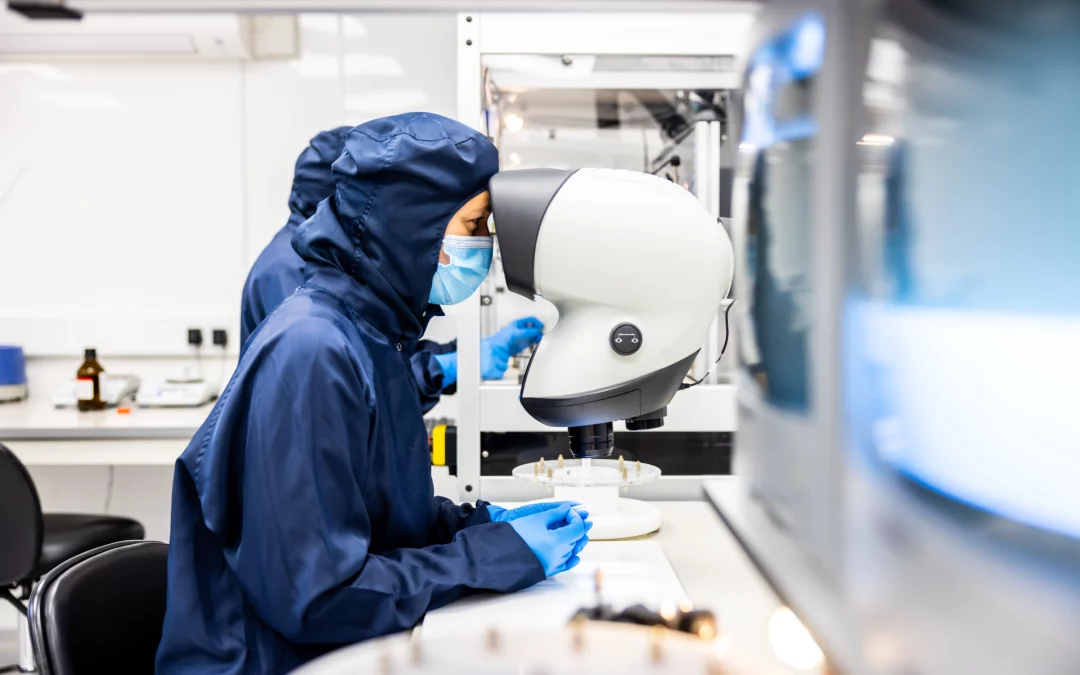
At Meridian Medical, packaging is performed within ISO Class 7 or ISO Class 8 cleanroom environments, ensuring contamination risk is controlled and packaging integrity is maintained.
Packaging may be delivered as:
- A standalone service
- Part of an integrated cleanroom manufacturing process
- A contract packaging solution for customer-supplied products
- A full medical device project management service
Cleanroom Packaging Environments: ISO Class 7 & 8
Cleanroom packaging is a key requirement for many medical devices, particularly where products are destined for sterilisation or sensitive clinical use.
ISO Class 7 and ISO Class 8 cleanrooms help control:
- Particulate contamination
- Handling risk
- Environmental variability
Packaging performed in these environments supports downstream processes such as sterilisation, controlled storage, and validated transport.
Core Medical Device Packaging Capabilities
ISO 13485-aligned packaging services typically include a range of controlled packaging options to suit different device types and lifecycle stages.
Common packaging capabilities include:
- Medical pouch packaging – Primary packaging designed to protect individual devices or components while supporting sterilisation compatibility and traceability.
- Procedure packs – Multi-component packs assembled and packaged under cleanroom conditions, supporting efficiency in clinical settings.
- Contract packaging – Packaging of customer-supplied medical products within a controlled cleanroom environment, often used to reduce internal manufacturing overheads or support scaling.
- Single-process packaging – Packaging delivered as part of a wider manufacturing or assembly process, reducing handling steps and supplier interfaces.
Medical Device Labelling & Identification
Labelling is inseparable from packaging under ISO 13485. Labels must be accurate, legible, durable, and traceable throughout the product lifecycle.
ISO-compliant medical device labelling typically includes:
- Product identification
- Batch or lot numbers
- Serialisation (where applicable)
- Regulatory markings
- UDI labelling (where required)
Label control, reconciliation, and release are critical to preventing mix-ups and ensuring regulatory compliance.
Sterilisation Compatibility & Packaging Design
Packaging must be compatible with the intended sterilisation method and maintain integrity throughout the process.
ISO 13485-aligned packaging solutions commonly support:
- Ethylene Oxide (EtO)
- Gamma irradiation
- Hydrogen peroxide
- Non-sterile medical devices
Packaging design must also consider post-sterilisation handling, storage, and distribution conditions.
Traceability, Batch Control & Quality Systems
One of the most critical ISO 13485 requirements is traceability. Packaging and labelling processes must support clear links between:
- Product
- Packaging materials
- Batch or lot numbers
- Process records
At Meridian Medical, packaging operations are aligned with documented quality procedures, supporting:
- Batch segregation
- Label reconciliation
- Audit-ready documentation
- Customer quality agreements
This is especially important for procurement and quality teams preparing for regulatory inspections or supplier audits.
Custom & Bespoke Packaging Solutions
Not all medical devices fit standard packaging formats. Where required, bespoke packaging solutions can be designed and sourced through approved packaging suppliers.
Custom packaging is often required for:
- Novel device geometries
- Combination products
- Early-stage or pilot production
- Unique sterilisation or handling constraints
All bespoke solutions must still align with ISO 13485 quality expectations.
Integrated Packaging Within Medical Device Manufacturing
Many manufacturers benefit from integrating packaging directly into their cleanroom manufacturing workflows.
Packaging can be combined with:
- Medical device assembly
- Tube cutting and component preparation
- Leak & block testing
- Controlled storage and distribution staging
For procurement teams, integrated services reduce supplier complexity. For engineering teams, they reduce handling risk and improve process consistency.
Choosing an ISO 13485-Compliant Packaging Partner
When selecting a medical device packaging supplier, procurement and quality teams should assess:
- Cleanroom classification and controls
- ISO 13485 quality system alignment
- Traceability and documentation practices
- Sterilisation compatibility experience
- Ability to integrate with manufacturing processes
A compliant packaging partner is not just a service provider – they are an extension of your quality system.
How Meridian Medical Supports ISO 13485-Compliant Packaging & Labelling
Meridian Medical provides:
- ISO Class 7 & 8 cleanroom packaging environments
- ISO 13485-aligned quality systems
- Flexible contract and integrated packaging services
- Sterilisation-compatible packaging solutions
- Procurement-friendly, auditable processes
Our packaging and labelling services are designed to support medical device manufacturers from early development through to production and supply.
FAQs – ISO 13485 Medical Device Packaging & Labelling
What does ISO 13485 require for medical device packaging?
ISO 13485 requires packaging processes to be controlled, documented, and suitable to protect product conformity and traceability.
Does packaging need to be done in a cleanroom?
Not always, but many medical devices require ISO Class 7 or 8 cleanroom packaging to control contamination risk.
Is labelling covered under ISO 13485?
Yes. Labelling is a controlled process under ISO 13485 and must ensure correct identification and regulatory compliance.
Can packaging be integrated with manufacturing?
Yes. Many manufacturers integrate packaging into cleanroom assembly and testing workflows for efficiency and risk reduction.
Why is traceability important in packaging and labelling?
Traceability supports recalls, audits, and regulatory compliance by linking packaged products to specific batches and processes.