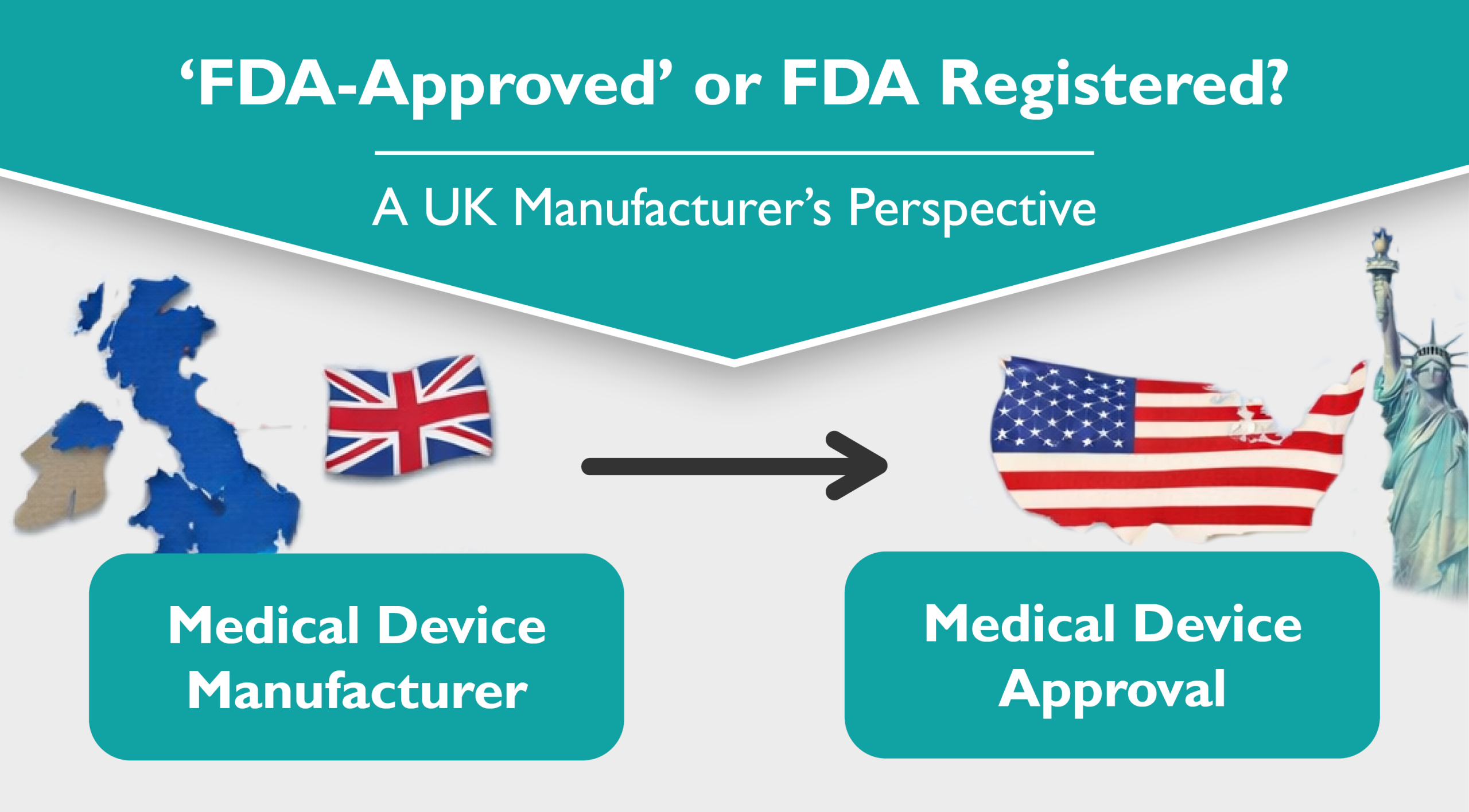
If you’re developing a medical device for the US market, choosing the right manufacturing partner is critical. One phrase you’ll often encounter is ‘FDA-approved manufacturer’, but what does that actually mean, and does it apply to your device?
For UK companies planning to sell medical devices in the United States, understanding the difference between FDA-registered manufacturers, FDA-approved devices, and who is responsible for FDA submissions can help avoid costly misunderstandings and regulatory delays.
For clarity, the Legal Manufacturer is the company whose name is on the technical file and would hold the overall responsibility for the design and product. This is the company that would submit the files for audit with the FDA.
The manufacturer, the company that assembles and supplies the device, may be the legal manufacturer if production is carried out in-house. Alternatively, the manufacturer may act as a contract manufacturer, producing devices strictly to the legal manufacturer’s specifications. This blog focuses on the role of the device manufacturer or supplier, rather than the legal manufacturer.
Are Medical Device Manufacturers FDA Approved?
In short: the FDA does not approve manufacturers.
Instead, all medical device manufacturers must:
- Register with the FDA
- List the medical devices they manufacture, and for which companies they are produced for.
- Comply with FDA Quality System Regulations (21 CFR Part 820)
- Be subject to FDA inspections and audits
When a manufacturer describes itself as FDA approved, it usually means they are FDA registered and FDA compliant, operating under systems that meet US regulatory requirements.
This reflects how the manufacturer operates, not the approval status of every device they produce.
Do Medical Devices Need Separate FDA Approval?
Yes. Each medical device is regulated individually.
Before a device can be marketed in the US, it must meet its own FDA regulatory requirements based on:
- Intended use
- Risk classification
- Technology and materials
Depending on the classification, this may involve:
- Class I devices – often exempt from premarket submission
- Class II devices – require FDA 510(k) clearance
- Class III devices – require FDA Premarket Approval (PMA)
Even when manufactured by an FDA-registered contract manufacturer, a device still needs its own FDA clearance or approval before it can be sold in the United States.
The device also needs its own FDA approval even if it is UKCE, CE, or MDR certified. The device can also only be FDA approved without CE or MDR certification as they are totally separate territories and certification systems.
Who Submits a Medical Device to the FDA?
Another common point of confusion is who is responsible for submitting a medical device to the FDA.
In most cases, the submission is made by the legal manufacturer (you or your company), not the contract manufacturer. For UK and other non-US companies, the legal manufacturer must also appoint a US Agent (US Representative) who is physically based in the United States to act as the primary point of contact with the FDA.
The legal manufacturer is the company that:
- Owns or controls the device design
- Defines the intended use
- Is named on the device labelling
- Markets and sells the device in the US
This company is responsible for submitting:
- FDA 510(k) notifications
- De Novo requests
- Premarket Approval (PMA) applications
They also retain responsibility for post-market surveillance and ongoing regulatory compliance.
A contract medical device manufacturer does not usually submit the device to the FDA in their own name. Instead, they support the submission by providing compliant manufacturing processes, validation data, testing, and quality documentation to support the legal manufacturer’s regulatory strategy.
What Does an FDA Inspection of a Manufacturer Cover?
When the FDA inspects a medical device manufacturing facility, they focus on systems and processes, not product approvals.
An FDA inspection typically reviews:
- Design controls and risk management
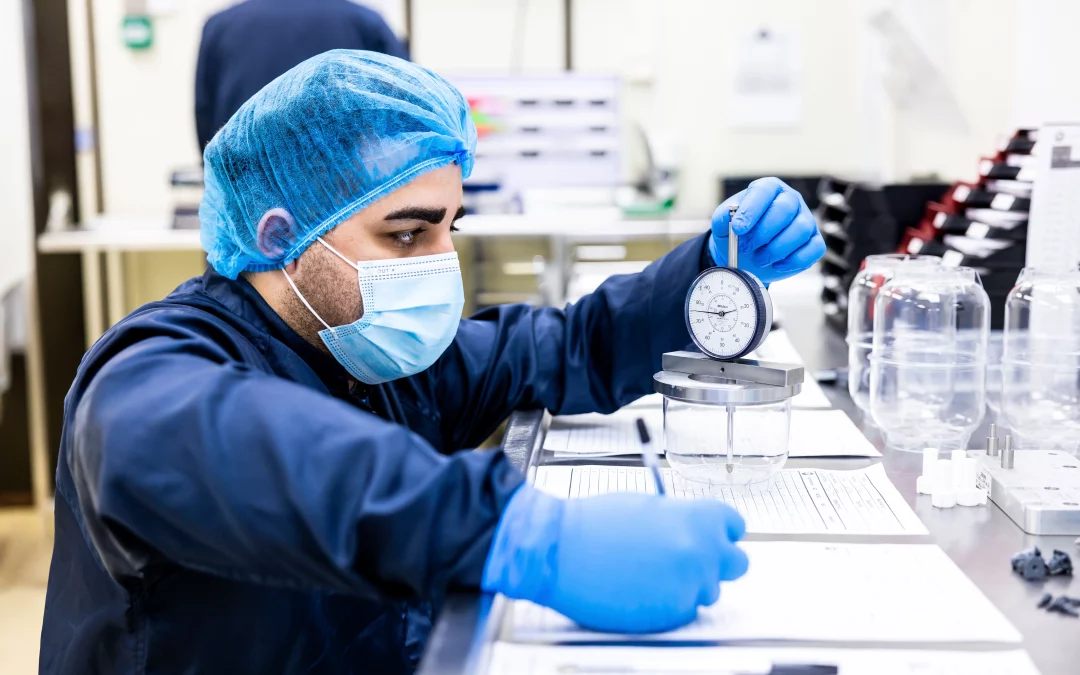
- Process validation and production controls
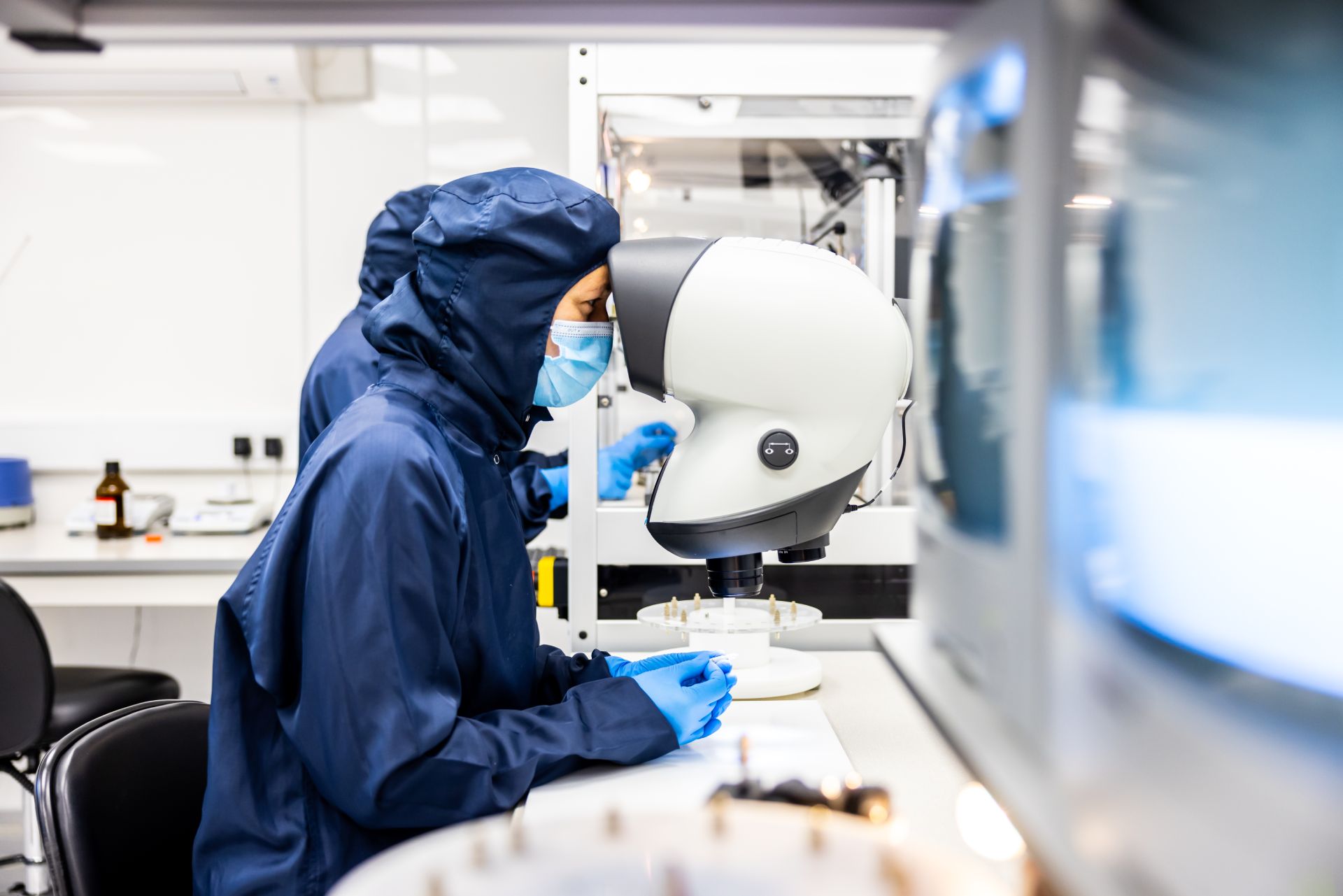
- Cleanroom assembly and packaging
- Traceability and documentation
- Complaint handling and CAPA systems
This ensures devices are manufactured in a controlled and compliant environment that supports FDA submissions and ongoing compliance.
What This Means for UK Medical Device Contract Manufacturing
For UK companies manufacturing medical devices for the US market:
- The legal manufacturer submits the device to the FDA (via a US Representative if based outside of the US)
- The contract manufacturer must be FDA registered and compliant
- Both parties play a role in meeting FDA regulatory requirements
An experienced UK medical device contract manufacturer can support design for manufacture, validation, testing, and documentation, helping to reduce regulatory risk and streamline US market entry.
Why FDA-Compliant Manufacturing Still Matters
While FDA registration doesn’t automatically approve a device, it is a critical foundation.
Working with an FDA-compliant manufacturing partner helps to:
- Reduce regulatory risk
- Support FDA submissions with compliant data
- Prepare for FDA audits and inspections
- Ensure consistent product quality for the US market
For companies targeting the US, FDA-compliant manufacturing is essential.
In Summary
Being an FDA-registered medical device manufacturer means operating to FDA quality standards, but each medical device must still meet its own FDA regulatory requirements, and the legal manufacturer is responsible for submitting the device to the FDA.
For UK businesses planning US market entry, choosing an experienced, FDA-compliant contract manufacturing partner can make the process clearer, smoother, and more predictable.
If you’re looking for an FDA-compliant contract manufacturer who can support you from prototype to full-scale production, our team is here to help.
Get in touch today to discuss your project requirements or request a compliance review.
Contact Meridian Medical today to discover more about our ISO 13485 contract manufacturing services and how we support compliance while accelerating your time to market. Get in touch by filling out our online form or contacting us on 01903 732344 or info@meridian-medical.com.